Beyond Robot imagery to the real infrastructure and impacts
Dear Invisible Friends,
I’ve disappointed you. Why? For using a “robot” to represent AI, both in text and images. Why is that a problem? Because it spreads misinformation.
Spring is starting to spring. I’m flashing back to last year’s summer holiday. Or is the vitamin D just hyping my brain?
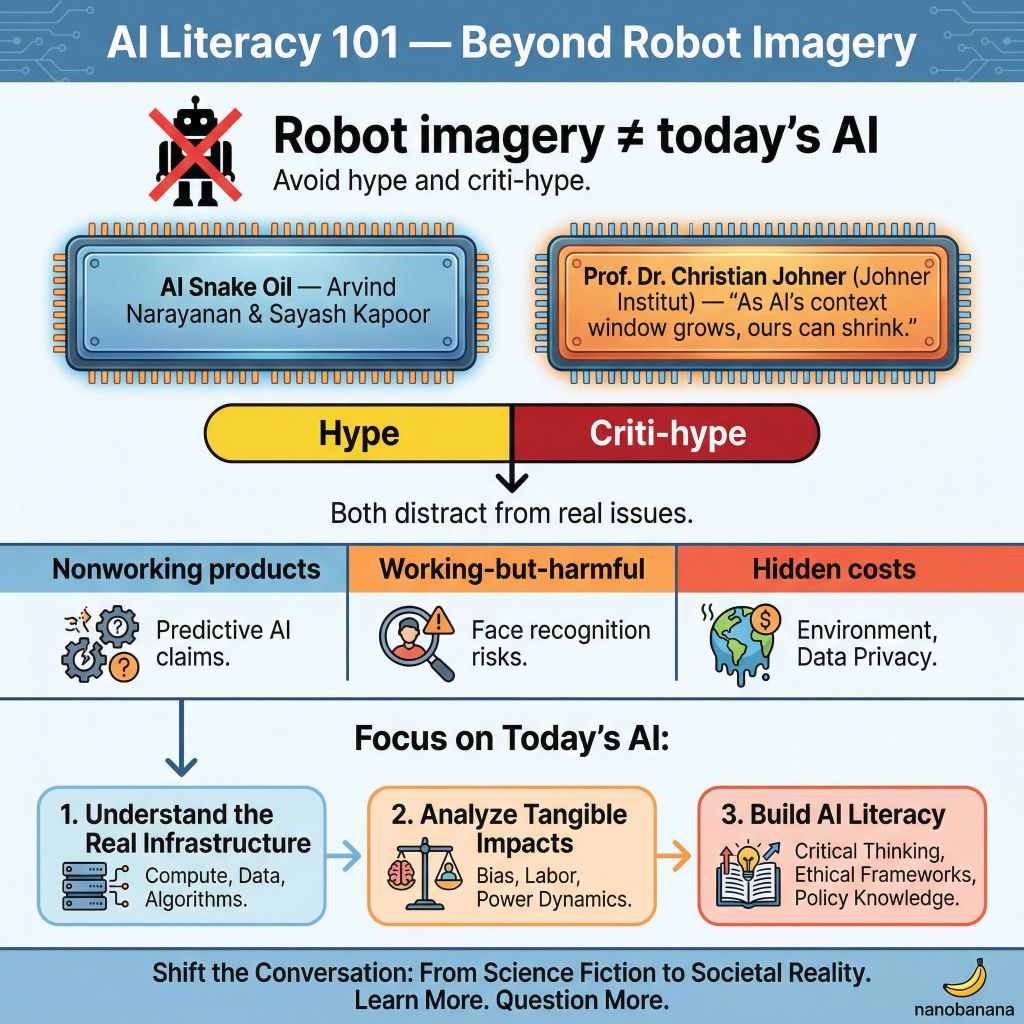
I was really hyped about AI last summer-I even wrote about how I organized my summer holiday with it. I remember being in the car (not driving!), doom-scrolling my way down a rabbit hole, when I stumbled on the book “AI Snake Oil” (The authors are Arvind Narayanan and Sayash Kapoor.) I ordered the paperback right then-how vintage, hehe.
I finished the book last week. I also listened to two extra chapters in the audiobook that aren’t in the paperback. It really inspired me-honestly, it’s the only nonfiction book that’s almost brought me to tears. Now I’m down the rabbit hole, binging podcast interviews with Arvind and Sayash on the same themes.
Quick rewind on why I want to read more. Prof. Dr. Christian Johner from the Johner Institut said in a newsletter that as AI’s “context window” grows, ours shrinks. Our attention spans get shorter. By “context window,” I mean an AI’s working memory: how much text it can consider at once when responding. That really hit me. So I set a goal to read more books, focus better, and resist the dopamine of endless scrolling. One standout for me these past few months is AI Snake Oil.

This is my first post about the book, and it probably won’t be the last. I don’t want to write a cookie-cutter summary-I’d rather you read it yourself and grow your own context window.
Not just me, the whole world got swept up in the AI hype. “Snake oil” here means a fake or overhyped cure-all. One thing I learned from the book is that there are two kinds of hype. There is regular hype. There is also “criti-hype.” This involves being so irrationally anti-AI that it ends up promoting AI. It can also highlight its most unrealistic worst-case scenarios.
Why is this a problem? Because it distracts from the real issues, for example:
- Companies selling products that don’t work (like some “predictive AI”).
- Products that work too well and can harm society (like face recognition).
- Ordinary AI tools with a hidden cost we must examine (environmental impact, poor labor conditions for data labelers, uncompensated use of artists’ work, etc.).
Reality isn’t “AI will save the world,” nor “sentient robots will kill us all.” It’s everything in between, and we need to stay focused on that.
What did I do wrong? I made casual, jokey references to humanoid “robots” in my blog. Think: robots having a goth phase. I also used robot imagery in my AI‑generated pictures. If I had a photo of an actual robot, that would be fair game. I might even have one in Google Photos I can dig up. I may have even videos!
Disclaimer: I will be fangirling with Robots for entertainment purposes only. This might seem contradictory to the message of my post.
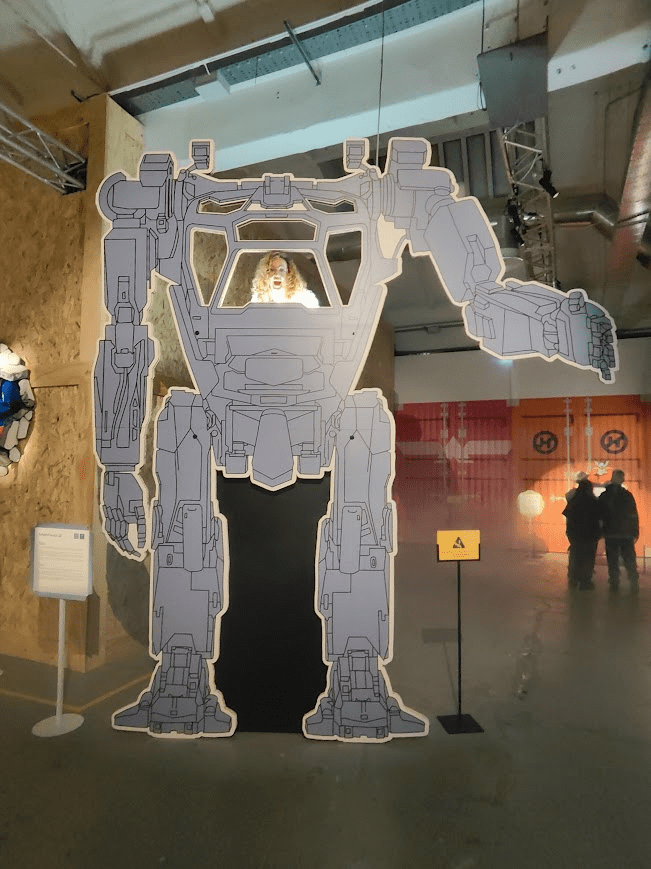
What’s the problem here, you may ask? Well, robotics and today’s AI applications are like comparing bananas to asteroids. Current AI isn’t sentient or as smart as a person. And, to quote a well-known community joke: “Artificial General Intelligence (AGI) is 3 to 5 years away.” They always say that sentence, but it never arrives. Per se, AI is an umbrella term that includes many techniques and use cases. Both the utopian and doomsday scenarios are very unlikely with today’s technology. We’re more likely to be harmed by how people use AI than by the technology itself.
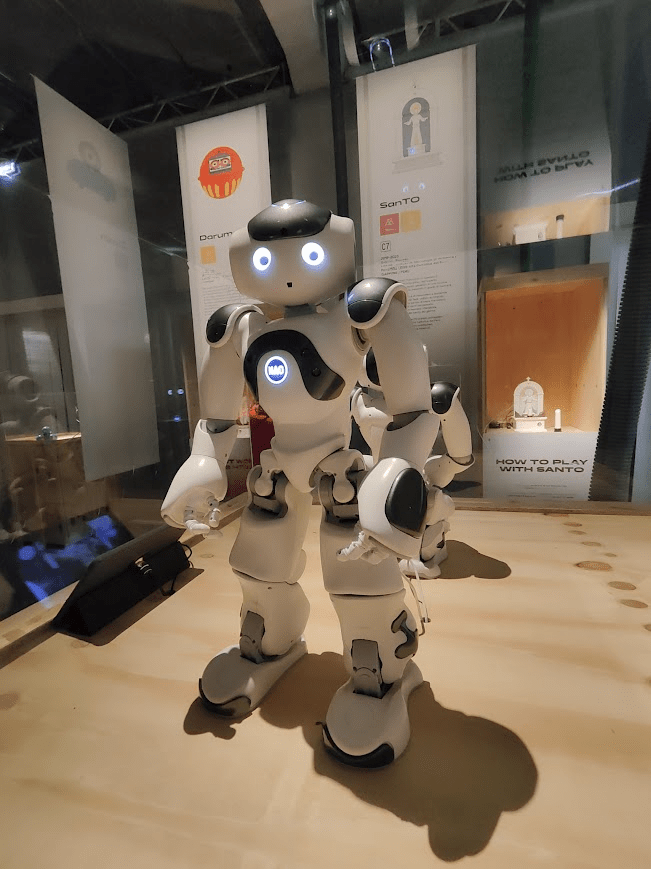
Both the childlike fascination with AI and the radical dread are deeply imprinted in our minds because of science fiction. I can’t fully escape this myself, even at an irrational level. This also motivated many people to study AI in college. Whether they work in academia or AI companies, there’s self-selection. People already excited about AI are more likely to enter the field.
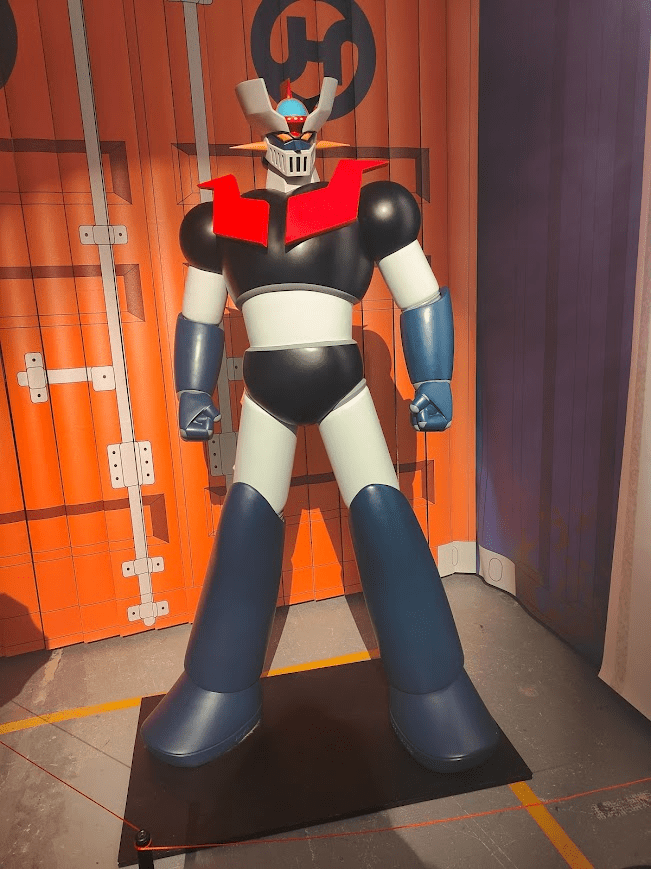
You don’t need a degree in journalism or in digital marketing to understand that many news articles use clickbait to drive traffic. That can mean sensational headlines with the word “robots.” Other times, it isn’t the reporter’s fault. A headline writer or designer slaps a robot image on a story that’s really about AI. Some AI company press releases contain exaggerations and induce hype. Overworked journalists may copy-paste them with minimal editing. They may lack the technical background to spot the hype.
Critical thinking matters more than ever, along with staying grounded and welcoming nuance. AI literacy is essential: knowing when and how to use AI, and when not to. Together, these help us think for ourselves and avoid both the hype and the criti‑hype around AI.
You don’t need to be an AI expert. You’re the expert in your field. This positions you best to use Generative AI. Consider tools like ChatGPT, Claude, and Gemini for your specific use case. You can also judge whether it actually works after trying it by yourself.
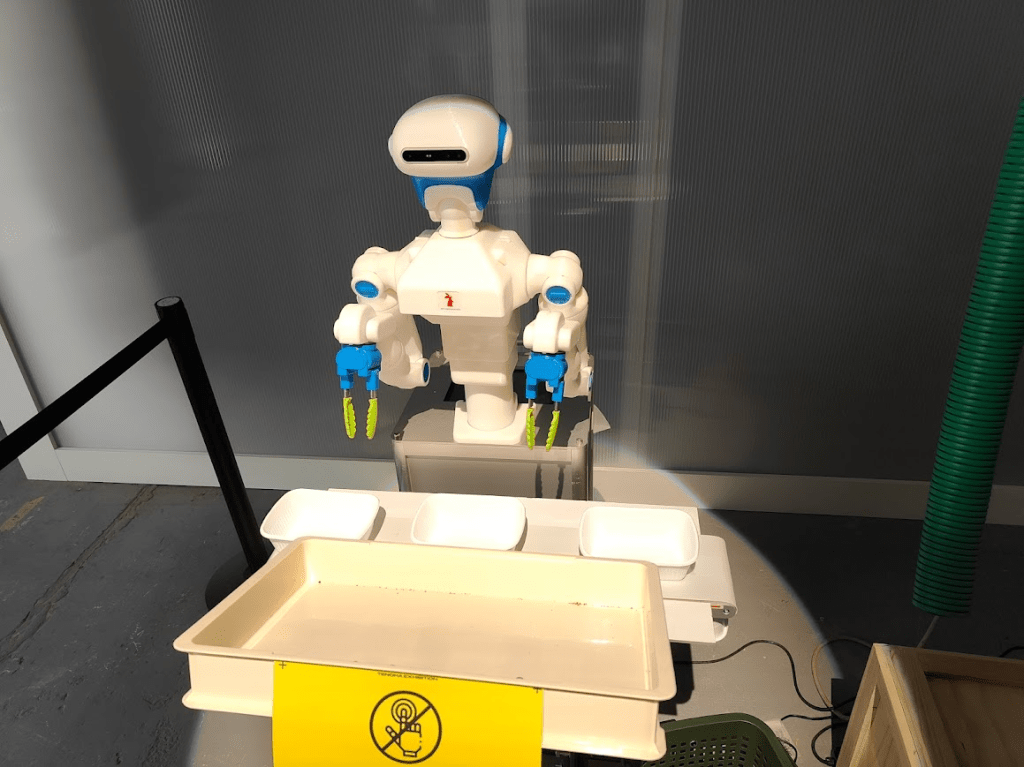
AI has cycled through “seasons” of hype and disappointment. These include AI summers of optimism and funding. They are followed by AI winters when interest and investment drop after unmet promises. I had my own AI winter (feeling exhausted and overwhelmed), but I’m back.
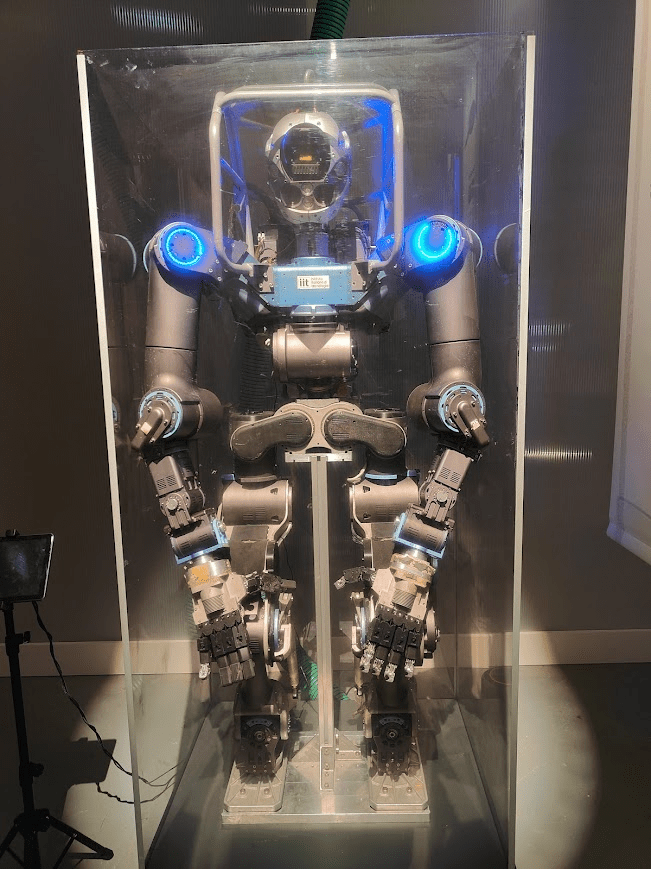
What about you, AI summer or AI winter? Feeling algorithm or AI fatigue? I welcome nuanced discussion. Let’s organize and advocate for what matters when it’s relevant. Are you growing your context window by reading? What’s on your list? Share one AI claim you believed that didn’t hold up. Name one task where GenAI saved you time and one where it failed. See you in the comments.
RoxenOut!
P.S. I drafted this piece myself and typed it with my own hands. I only used Sider AI Writer, Grammarly, and whatever tool WordPress has to improve clarity, but all ideas are mine.

Leave a comment